Why Your Baby Bottle Brush Smells Bad (And How to Fix It Fast)
A smelly baby bottle brush isn't just unpleasant—it can harbor bacteria that contaminate your little one's feeding supplies. Learn the common causes of odor buildup and practical solutions to keep your cleaning tools hygienic and fresh.
Understanding Why Baby Bottle Brushes Develop Odors
Many parents notice an unpleasant smell coming from their bottle brushes after just a few weeks of use. This happens because milk residue, formula particles, and moisture create the perfect environment for bacterial growth. When brushes stay damp or aren't cleaned properly between uses, odor-causing microbes multiply rapidly in the bristles and handle.
The problem intensifies when brushes are stored in enclosed spaces without proper air circulation. Even diligent parents who rinse their brushes after each use can encounter this issue if the brush doesn't dry completely.
Common Causes of Brush Odor Buildup
Several factors contribute to that unpleasant smell:
- Trapped milk residue: Formula and breast milk contain proteins and fats that cling to bristles and decompose over time
- Insufficient drying: Brushes stored while still wet allow bacteria and mildew to thrive
- Poor ventilation: Keeping brushes in closed cabinets or drawers prevents air circulation
- Infrequent deep cleaning: Daily rinsing isn't enough to remove all organic matter from dense bristles
- Material quality: Some brushes use sponges or materials that absorb and retain moisture
Immediate Solutions to Eliminate the Smell
If your brush already smells, start with a deep cleaning soak. Fill a container with hot water and white vinegar in equal parts, then submerge the brush for 15 minutes. The acidity breaks down residue and neutralizes odors. For stubborn smells, add a tablespoon of baking soda to the mixture.
After soaking, scrub the bristles thoroughly under running water, paying special attention to the base where the bristles meet the handle. Squeeze and release the bristles repeatedly to flush out trapped particles. Rinse until the water runs completely clear.
Choosing the Right Brush Design
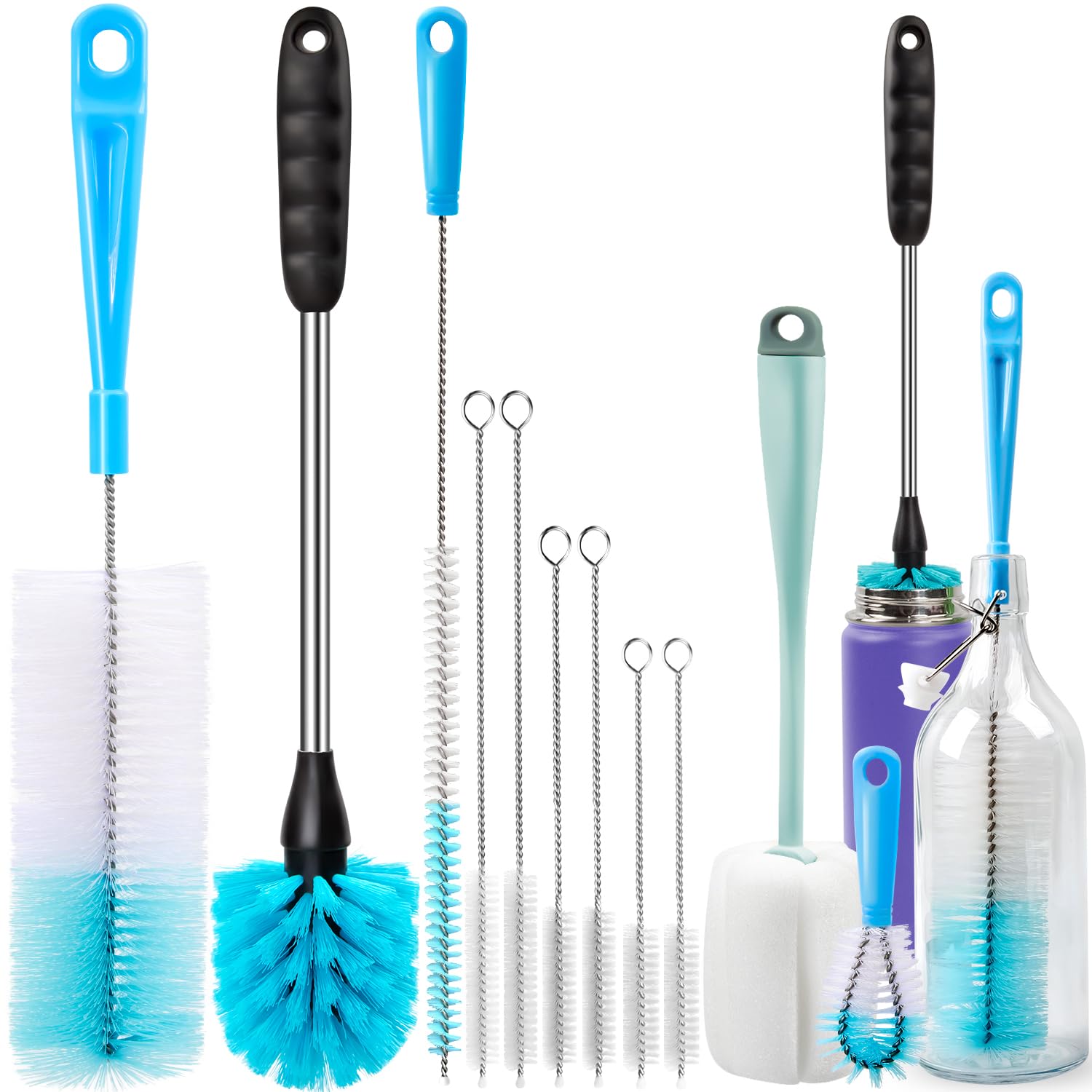
Brush construction plays a significant role in odor prevention. The Holikme Bottle Brush Tube Cleaning Lab Set with Long Handle,Green includes multiple specialized brushes designed with different materials for specific cleaning tasks. The set features food-grade polypropylene straw brushes that resist odor absorption better than traditional sponge-only designs.
The 10-inch sponge brush uses high-quality soft material suitable for wide-neck bottles, while the 14-inch sports water bottle brush features hard bristles that don't trap moisture as easily. Having dedicated brushes for different bottle types reduces cross-contamination and allows each brush to dry thoroughly between uses.
Check latest pricePrevention Strategies That Actually Work
Establishing a proper maintenance routine keeps brushes fresh long-term. After each bottle washing session, rinse the brush under hot running water for at least 30 seconds. Shake vigorously to remove excess water, then hang the brush with bristles pointing downward to promote drainage.
The Holikme Bottle Brush Tube Cleaning Lab Set with Long Handle,Green includes convenient hanging loops on each brush, making proper storage straightforward. Position brushes near a window or in an area with good air circulation rather than in a closed cabinet.
Weekly Deep Cleaning Schedule
Even with daily rinsing, brushes need weekly sanitizing. Run brushes through the dishwasher top rack, or boil them in water for five minutes if they're heat-safe. Replace brushes every three months regardless of appearance, as bristles deteriorate and become more prone to harboring bacteria over time.
When to Replace Rather Than Clean
Some situations call for immediate replacement. If the smell persists after multiple deep cleanings, bristles have become discolored or matted, or you notice visible mold growth, discard the brush. Continuing to use a contaminated brush defeats the purpose of sterilizing baby bottles.
Final Verdict
A smelly bottle brush signals hygiene issues that require immediate attention. The root cause typically involves inadequate drying and infrequent deep cleaning rather than the brush itself. Implementing proper rinsing, storage, and maintenance practices prevents most odor problems.
Choosing a brush set with multiple specialized tools allows rotation between uses, giving each brush time to dry completely. The variety of materials and sizes in a comprehensive set addresses different cleaning challenges while minimizing moisture retention.
Who This Solution Works For
Parents struggling with persistent brush odors will benefit from both immediate remediation techniques and long-term prevention strategies. Households using various bottle types appreciate having dedicated brushes that can air dry between feedings. Families in humid climates especially need proper hanging storage to combat moisture-related bacterial growth.
Who Should Consider Alternatives
If you prefer minimalist kitchen tools or have extremely limited storage space, a multi-brush set might feel excessive. Parents who exclusively use wide-neck bottles may only need a single specialized brush. Those with dishwasher-safe bottles might reduce brush usage frequency altogether by relying more on machine washing.
Get your fresh brush setRelated Buying Guides
- Back-to-School Potty Training: Essential Toilet Seats for September Success
- ROSEGIN Diaper Bag Backpack Features Explained: 35L Capacity, 16 Pockets, and a Back Panel You'll Actually Use
- Noise Reduction Testing: Alpine Muffy Baby vs Nuby Soft Sounds 2026
- How to Safely Feed Your Baby with Temperature-Sensing Spoons
- Best Baby Earmuffs Under $35 for Outdoor Events: Budget Protection That Works
- Best Baby Earmuffs for Fourth of July Fireworks 2026: Keep Tiny Ears Safe