How to Safely Feed Your Baby with Temperature-Sensing Spoons
Protect your little one from accidental burns during mealtime with temperature-sensing spoons that change color when food is too hot. Here's how to use them effectively.
Why Temperature-Sensing Spoons Matter for Baby Safety
When you're juggling a fussy baby and a jar of freshly warmed puree, it's easy to accidentally serve food that's too hot. Burns from overheated baby food are more common than many parents realize, and your baby's delicate mouth tissue is especially vulnerable.
Temperature-sensing spoons solve this problem by giving you instant visual feedback about food temperature before it reaches your baby's mouth.
How Temperature-Indicating Spoons Work
The Dr. Brown's Designed to Nourish TempCheck Spoons, 4-Pack use heat-reactive technology built into the spoon tip. When food reaches roughly 105 degrees Fahrenheit or higher, the colored silicone material begins to turn clear.
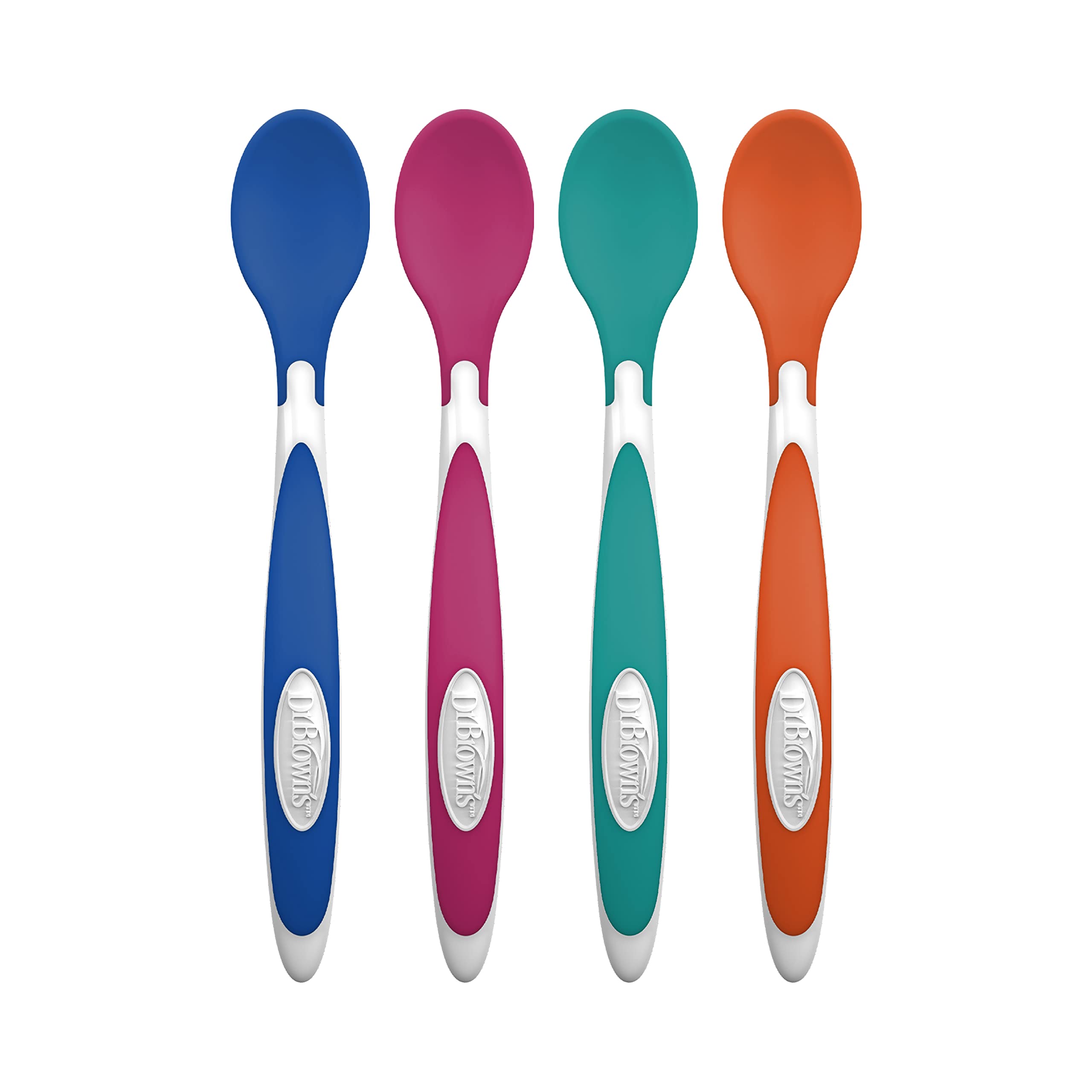
This color change happens instantly when the spoon contacts hot food, giving you a clear warning before feeding your baby.
Step-by-Step Guide to Using TempCheck Spoons
- Prepare your baby's food as usual, whether warming from the refrigerator or cooking fresh.
- Dip the spoon tip into the food and observe the color. If the spoon begins turning from its original color (purple, teal, blue, or red) to clear, the food is too hot.
- Wait and stir the food to distribute heat evenly, then test again with a clean dip.
- Feed safely once the spoon maintains its original color, indicating the food is at a safe temperature.
- Clean thoroughly after each use. These spoons are dishwasher and sterilizer safe for convenient sanitizing.
Additional Benefits of Silicone Safety Spoons
Beyond temperature monitoring, the Dr. Brown's Designed to Nourish TempCheck Spoons, 4-Pack offer practical feeding advantages. The 100% silicone material is gentle on tender and teething gums, while the flexible shallow scoop makes it easier for babies learning to eat from a spoon.
The long handle design helps you reach the bottom of food jars without getting your fingers messy, and the elevated spoon rest keeps the feeding end off countertops and highchair trays.
Who Should Use Temperature-Sensing Spoons
- First-time parents learning to navigate solid food introduction
- Caregivers managing multiple children at mealtime
- Anyone who microwaves or reheats baby food regularly
- Parents of babies with sensitive mouths or teething discomfort
Who Can Skip This Tool
If you exclusively serve room-temperature or cold foods, or if you have a reliable routine for testing food temperature by other methods, standard feeding spoons may suffice.
Final Verdict
Temperature-sensing spoons add a valuable safety layer to your feeding routine without complicating the process. The instant visual feedback eliminates guesswork and gives you confidence that every bite is safe for your baby. With the convenience of dishwasher-safe silicone and a budget-friendly four-pack, these spoons earn their place in your feeding arsenal.
Related Buying Guides
- Back-to-School Potty Training: Essential Toilet Seats for September Success
- ROSEGIN Diaper Bag Backpack Features Explained: 35L Capacity, 16 Pockets, and a Back Panel You'll Actually Use
- Noise Reduction Testing: Alpine Muffy Baby vs Nuby Soft Sounds 2026
- Best Baby Earmuffs Under $35 for Outdoor Events: Budget Protection That Works
- Best Baby Earmuffs for Fourth of July Fireworks 2026: Keep Tiny Ears Safe
- Do Changing Pad Liners Really Work? Your Questions Answered