How to Maintain and Extend the Lifespan of Your Baby Play Mat: Care Tips That Work
A quality baby play mat is an investment in your child's development and safety. With proper care and maintenance, you can significantly extend its lifespan while keeping it hygienic and safe for daily use.
Why Proper Play Mat Maintenance Matters
Baby play mats endure constant use—from tummy time sessions to active play and inevitable spills. Without regular care, even high-quality mats can deteriorate faster than expected. Proper maintenance not only extends the product's lifespan but also ensures a consistently safe and hygienic surface for your little one.
The Joypony Baby Play Mat exemplifies features that make maintenance straightforward. Its XPE foam construction is BPA-free and odorless, while the waterproof surface simplifies cleanup. At 71x59 inches, this mat provides ample play space and includes a portable carry bag for convenient storage.
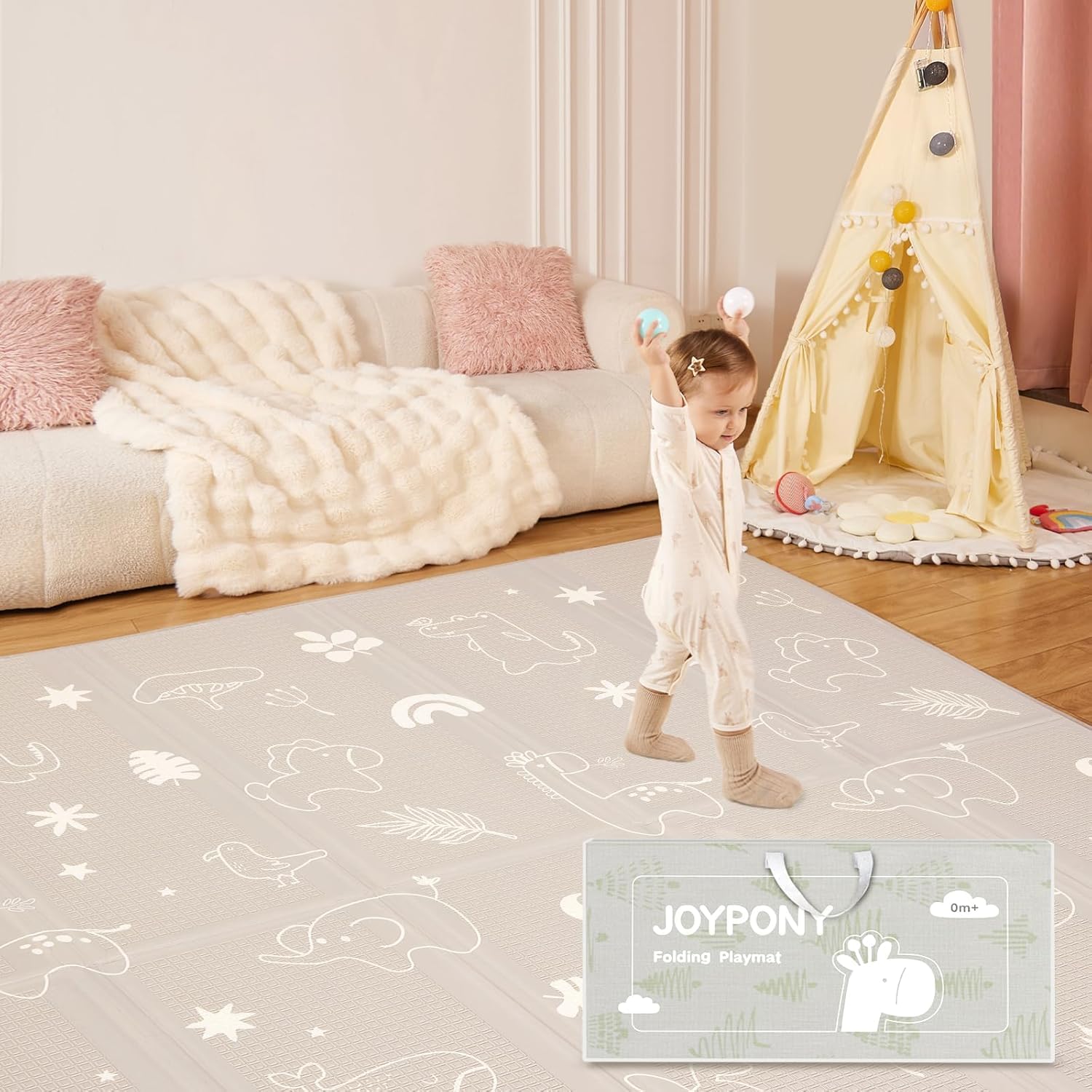
Daily and Weekly Maintenance Essentials
Establishing a consistent cleaning routine prevents buildup and keeps the mat fresh between deep cleans.
Immediate Spill Response
Address spills and accidents as soon as they occur. The water-resistant surface on mats like the Joypony Baby Play Mat allows you to wipe down messes with a damp towel quickly. This prevents staining and stops bacteria from establishing.
Weekly Surface Cleaning
- Use a mild, baby-safe cleaning solution mixed with water
- Wipe both sides of the mat with a soft cloth
- Pay extra attention to high-contact areas
- Allow the mat to air dry completely before folding
- Avoid harsh chemicals that can degrade foam materials
Protection Strategies That Work
Prevention is easier than repair. Keep sharp objects, including some baby toys with hard edges, away from the play surface. Pet claws can puncture foam materials, so supervise interactions carefully.
The reversible design of quality mats offers a practical advantage—rotate between sides to distribute wear evenly. This simple habit can significantly extend usability.
Storage Best Practices
Proper storage between uses or during travel protects the mat from unnecessary damage. Fold gently along existing creases rather than forcing new ones. Store in the included carry bag in a cool, dry location away from direct sunlight, which can fade colors and weaken materials over time.
When to Replace Your Mat
Even with excellent care, play mats eventually need replacement. Watch for tears, persistent odors that cleaning cannot remove, or foam that has lost its cushioning properties. The anti-slip texture should remain intact—if it becomes smooth, the mat may no longer provide adequate safety during active play.
The Verdict on Long-Term Care
Maintaining a baby play mat requires minimal effort but delivers substantial returns. Regular cleaning, careful handling, and proper storage can double or triple the functional lifespan of quality products. The Joypony Baby Play Mat combines durable high-density XPE foam with easy-clean surfaces that support long-term use when cared for appropriately.
Who This Approach Suits
These maintenance strategies work best for parents who value longevity and hygiene, have children who use the mat frequently, or want to preserve the mat's appearance and function for potential future children or resale.
Who Should Consider Alternatives
If you prefer disposable solutions or plan very short-term use, investing time in detailed maintenance may feel unnecessary. Similarly, families with multiple pets that cannot be supervised around the mat might face challenges keeping foam surfaces intact regardless of care efforts.
Related Buying Guides
- Back-to-School Potty Training: Essential Toilet Seats for September Success
- ROSEGIN Diaper Bag Backpack Features Explained: 35L Capacity, 16 Pockets, and a Back Panel You'll Actually Use
- Noise Reduction Testing: Alpine Muffy Baby vs Nuby Soft Sounds 2026
- How to Safely Feed Your Baby with Temperature-Sensing Spoons
- Best Baby Earmuffs Under $35 for Outdoor Events: Budget Protection That Works
- Best Baby Earmuffs for Fourth of July Fireworks 2026: Keep Tiny Ears Safe