How to Choose the Right Potty Training Toilet Seat: A Beginner's Guide
Potty training is a milestone that every parent approaches with a mix of excitement and uncertainty. Choosing the right toilet seat can make this transition smoother for both you and your toddler. This guide walks you through the essential features to consider.
Understanding Built-In Potty Training Seats
A built-in potty training toilet seat eliminates the need for separate standalone potties that require constant emptying and cleaning. These integrated systems attach directly to your existing toilet, allowing your child to use the same bathroom fixture as adults while providing a secure, appropriately sized seat.
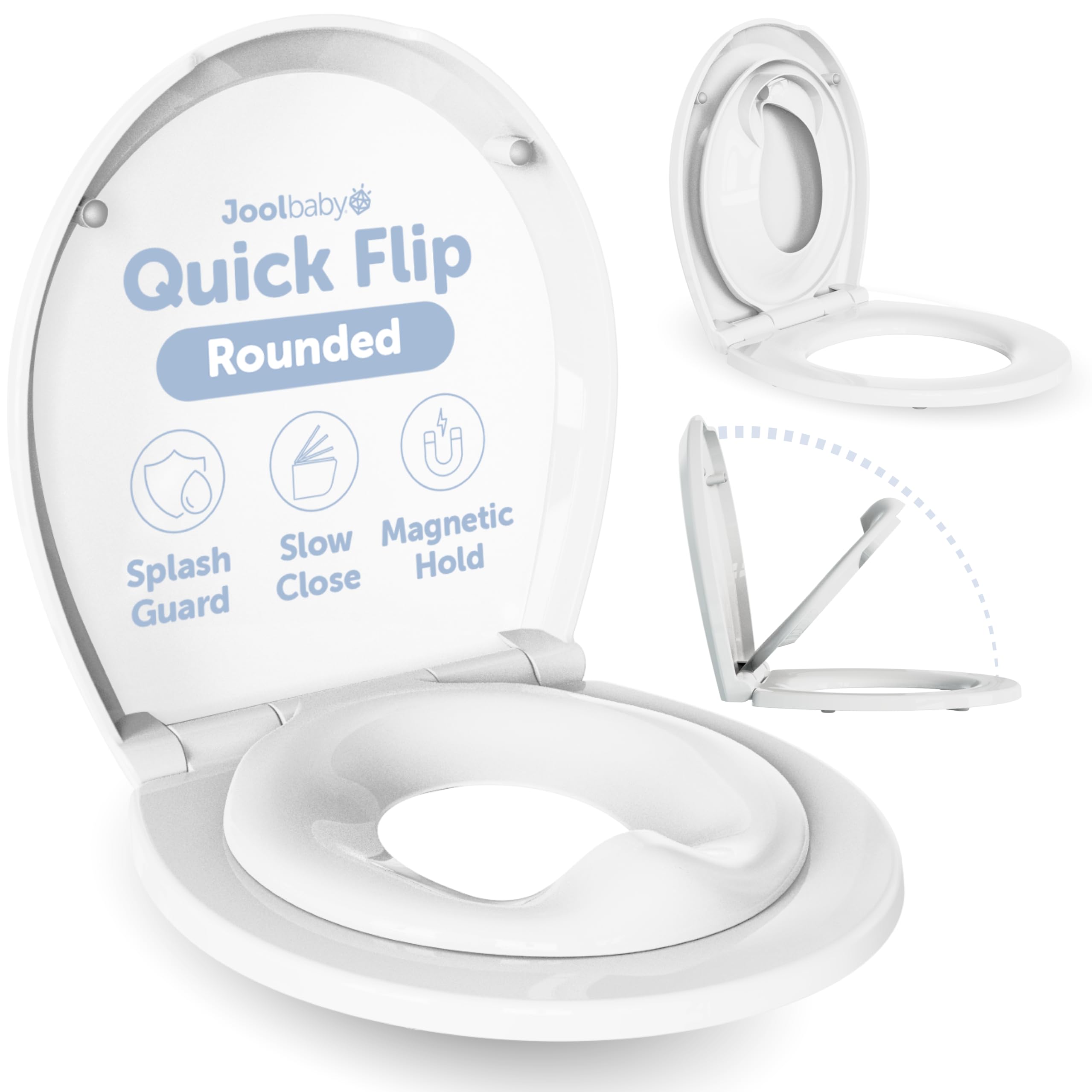
The Jool Baby Quick Flip Toilet Seat with Built-in Potty & Splash Guard for Toddler Training, Slow Close (Round) represents this modern approach. Its magnetic feature keeps the smaller seat tucked away when adults need the bathroom, then flips down easily when your toddler is ready to go.
Key Features That Matter
When evaluating potty training seats, focus on practical features that address everyday challenges:
- Splash Guard: Reduces mess during training, especially important for boys learning to aim
- Slow-Close Mechanism: Prevents pinched fingers and loud slamming sounds that can startle toddlers
- Slip-Resistant Bumpers: Keep the seat stable and secure during use
- Easy Installation: Look for seats that install in 5-10 minutes without special tools
- Removable Design: Allows you to continue using the seat after potty training is complete
The Jool Baby Quick Flip Toilet Seat with Built-in Potty & Splash Guard for Toddler Training, Slow Close (Round) includes all these features, plus recognition as both a NAPPA Award winner and Best of The Bump winner.
Installation and Compatibility
Before purchasing any potty training seat, measure your toilet bowl. Round and elongated toilets require different seat sizes. Most built-in systems are compatible with standard residential toilets but may not fit all commercial or specialty fixtures.
The Verdict
A quality built-in potty training seat simplifies the transition from diapers to independent bathroom use. The combination of a splash guard, slow-close functionality, and magnetic positioning makes training more hygienic and less stressful for the whole family.
Who This Suits
Families starting potty training with toddlers aged 18 months to 4 years who want a permanent bathroom solution without extra equipment cluttering their space.
Who Should Skip
Renters who cannot install permanent fixtures, families with non-standard toilet shapes, or those who prefer portable training potties for travel flexibility.
Related Buying Guides
- Back-to-School Potty Training: Essential Toilet Seats for September Success
- ROSEGIN Diaper Bag Backpack Features Explained: 35L Capacity, 16 Pockets, and a Back Panel You'll Actually Use
- Noise Reduction Testing: Alpine Muffy Baby vs Nuby Soft Sounds 2026
- How to Safely Feed Your Baby with Temperature-Sensing Spoons
- Best Baby Earmuffs Under $35 for Outdoor Events: Budget Protection That Works
- Best Baby Earmuffs for Fourth of July Fireworks 2026: Keep Tiny Ears Safe