Baby Ear Muffs Slipping or Not Blocking Noise? Alpine Muffy Baby Troubleshooting Guide
Headband slipping, weak noise reduction, or a fussy fit? Here are the most common Alpine Muffy Baby issues and how to fix each one.
Why Your Baby's Ear Muffs Aren't Working Right
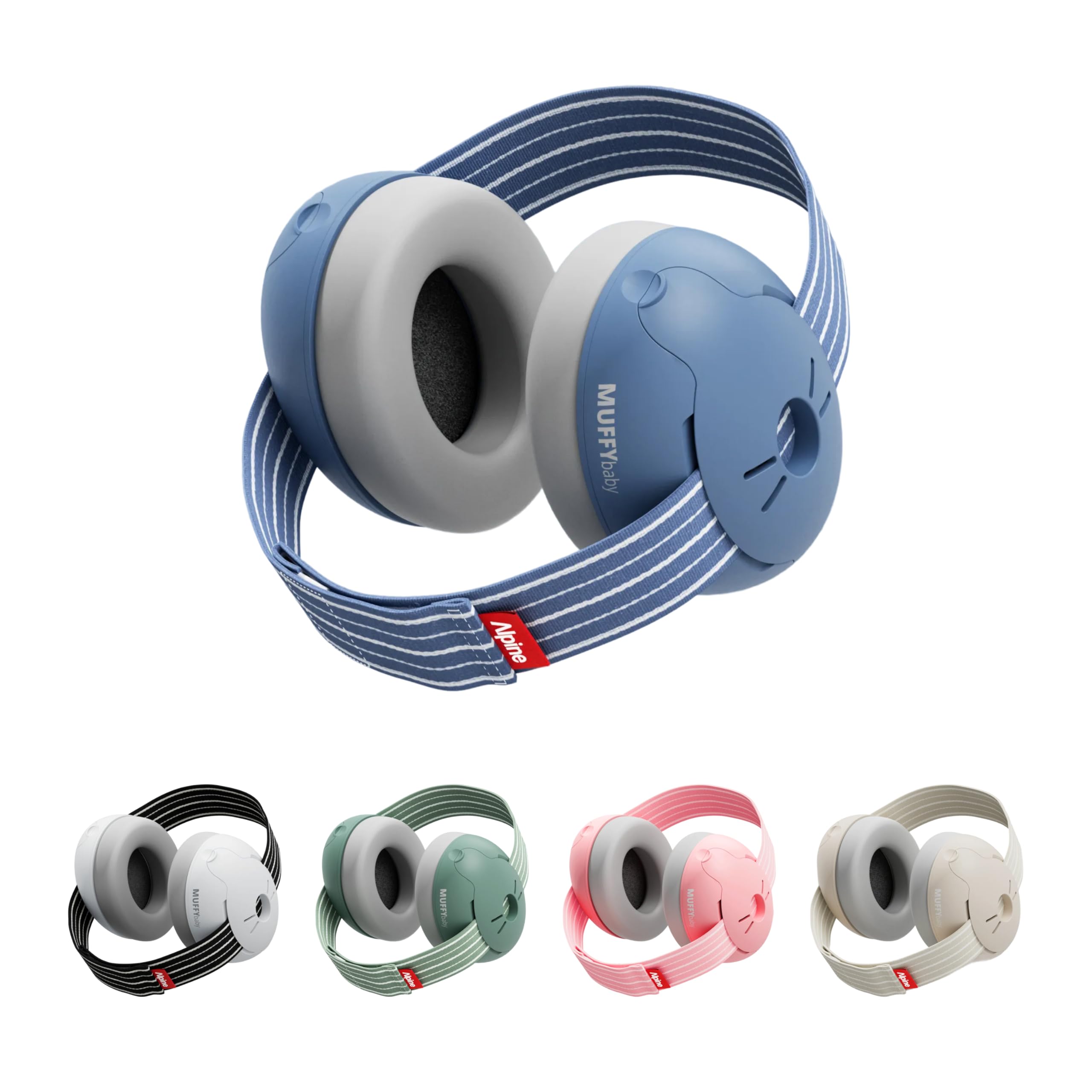
If your Alpine Muffy Baby Ear Muffs Noise Protection | Toddler Ear Protection is slipping, letting noise through, or your baby keeps pulling it off, the problem is almost always fit or wear-related. Here is how to troubleshoot each issue.
Problem 1: The Headband Keeps Slipping Off
The headband fits babies and toddlers with a head circumference between 15.4 and 19.7 inches, up to about 4 years old. If it slides around, the band is likely too loose for your child's current size.
How to fix it
- Re-adjust the headband — it is designed to be easily adjustable, so tighten it one notch at a time until it sits snugly without pressing hard.
- Position the band slightly higher on the forehead, above the ears, so the anti-slip material grips properly.
- If your baby's head is under 15.4 inches, the muffs may simply be too large for now. Wait a few months and retry.
Problem 2: Noise Still Seems Loud
The Alpine Muffy Baby Ear Muffs Noise Protection | Toddler Ear Protection is tested to reach a noise reduction of 23 dB SNR in accordance with US and EU regulations. If loud sounds still get through, check the seal first.
How to fix it
- Check that the ear caps fully cover each ear. Partial coverage breaks the seal and lets noise in.
- Look for hair, a hat brim, or a hood edge caught under the padding — anything under the cap leaks sound.
- Press gently on each cup. The multiple layers of noise-reducing foam and soft padding need full contact with the head to close properly.
- Remember that 23 dB SNR reduces noise; it does not silence it completely. Muffled sound is normal and expected.
Problem 3: Baby Keeps Pulling the Muffs Off
This is common in the first few wears. The design has no hard parts, so discomfort is rarely the cause — it is usually unfamiliarity.
How to fix it
- Start with short sessions at home during calm moments before using the muffs at loud events.
- Distract with a toy or feed during the first few outings so the muffs fade into the background.
- Double-check the fit — a band that is too tight can make babies reach for it.
Problem 4: Cleaning and Care
The cover is made of ABS, the padding of PVC and PU, and the headband of polyester. Wipe the cups and padding with a damp cloth and let them air dry. Never submerge the muffs, because trapped moisture degrades the foam layers. Store them in the included carrying pouch to keep the padding from getting crushed in a diaper bag.
Verdict
Most issues with the Alpine Muffy Baby Ear Muffs Noise Protection | Toddler Ear Protection trace back to fit, and the adjustable headband solves nearly all of them. With a 4.4 out of 5 rating from tens of thousands of parents, it is a solid mid-range choice for noise protection from infancy through age four.
Who it suits
- Families attending fireworks, concerts, or busy events with a baby or toddler
- Parents who travel by airplane or car and want a travel-ready accessory with a carrying pouch
- Anyone wanting certified 23 dB SNR noise reduction in a soft, hard-part-free design
Who should skip it
- Parents of newborns with heads under 15.4 inches — wait until the fit range applies
- Anyone expecting total silence; these muffs reduce noise, they do not eliminate it
Related Buying Guides
- Back-to-School Potty Training: Essential Toilet Seats for September Success
- ROSEGIN Diaper Bag Backpack Features Explained: 35L Capacity, 16 Pockets, and a Back Panel You'll Actually Use
- Noise Reduction Testing: Alpine Muffy Baby vs Nuby Soft Sounds 2026
- How to Safely Feed Your Baby with Temperature-Sensing Spoons
- Best Baby Earmuffs Under $35 for Outdoor Events: Budget Protection That Works
- Best Baby Earmuffs for Fourth of July Fireworks 2026: Keep Tiny Ears Safe